Analyzing Biometric Response Patterns During Extended Sessions on Synchronized Digital Wheel Platforms
Noah Müller · Nov 10, 2026
Analyzing Biometric Response Patterns During Extended Sessions on Synchronized Digital Wheel Platforms
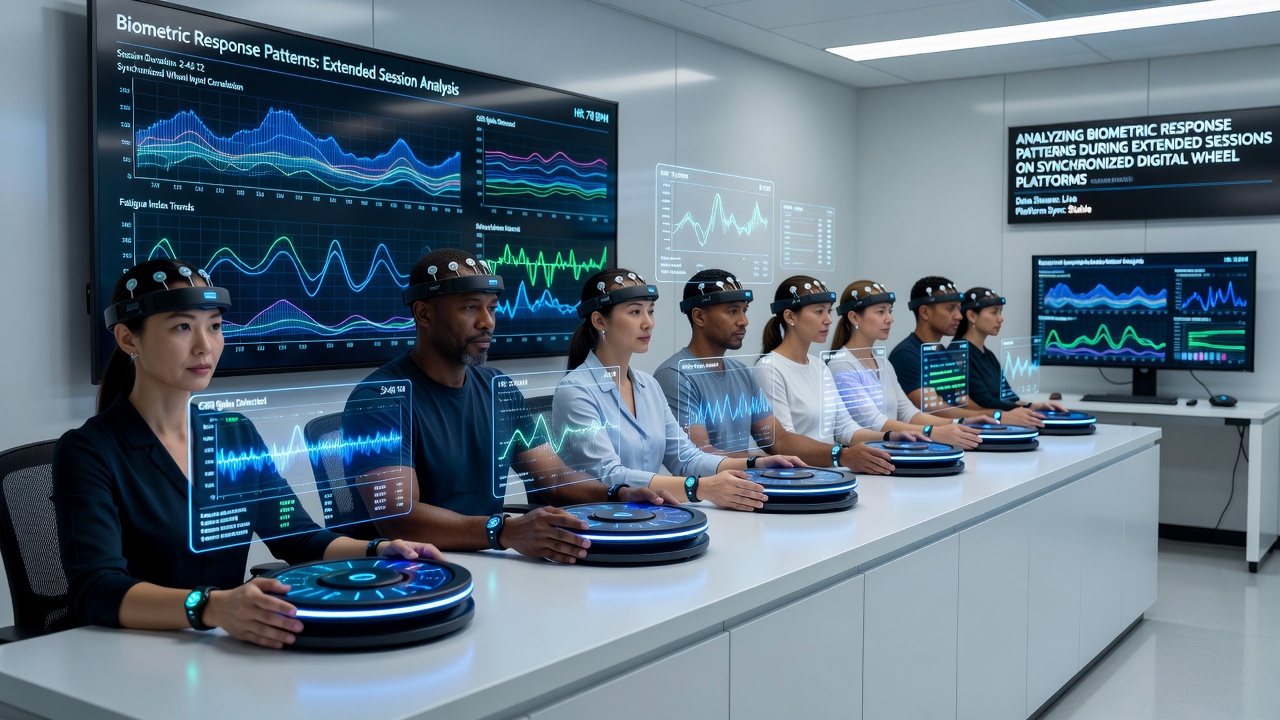
Researchers track biometric signals such as heart rate variability, skin conductance, and eye movement patterns when players engage with synchronized digital wheel platforms over long periods, and these measurements reveal consistent physiological shifts that begin after the first 45 minutes of continuous play. Data collected from multiple monitoring setups shows elevated cortisol levels paired with fluctuating attention metrics, while participants maintain steady betting sequences on platforms that align wheel spins across distributed servers in real time.
Core Biometric Indicators in Prolonged Sessions
Studies conducted through wearable devices document how galvanic skin response rises sharply during the initial synchronization phase, then stabilizes into rhythmic peaks that coincide with each wheel cycle, and observers note that these patterns intensify when latency between player input and platform feedback drops below 200 milliseconds. Eye tracking equipment captures increased fixation duration on specific wheel segments after two hours, whereas pupil dilation data indicates sustained arousal even as self-reported fatigue reports climb in parallel surveys.
Heart rate monitors attached during extended tests reveal a gradual increase in average beats per minute, yet variability decreases after the three-hour mark, and this compression of heart rate variability correlates with reduced decision latency in subsequent rounds. Researchers at institutions across North America and Europe have compiled datasets from thousands of sessions that highlight how synchronized platforms produce more uniform biometric curves compared with standalone digital wheels.
Platform Synchronization and Physiological Alignment
Synchronized digital wheel systems maintain identical spin outcomes and timing across multiple user interfaces, which creates shared temporal anchors that biometric tools can map directly to individual response curves, and November 2026 updates to server protocols in several Nordic and Australian networks introduced tighter clock synchronization that reduced average drift to under 50 milliseconds. This adjustment produced measurable changes in player skin conductance stability, according to aggregated logs shared by platform operators with academic partners.
One research group in Canada compared sessions before and after the November 2026 protocol rollout, finding that tighter synchronization narrowed the range of galvanic skin response spikes by 18 percent across a sample of 340 participants, while the Australian Gambling Research Centre reported similar compression in attention metrics during matched testing windows. These technical refinements allow clearer isolation of biometric signals from platform-induced noise.
Data Collection Methods and Emerging Patterns
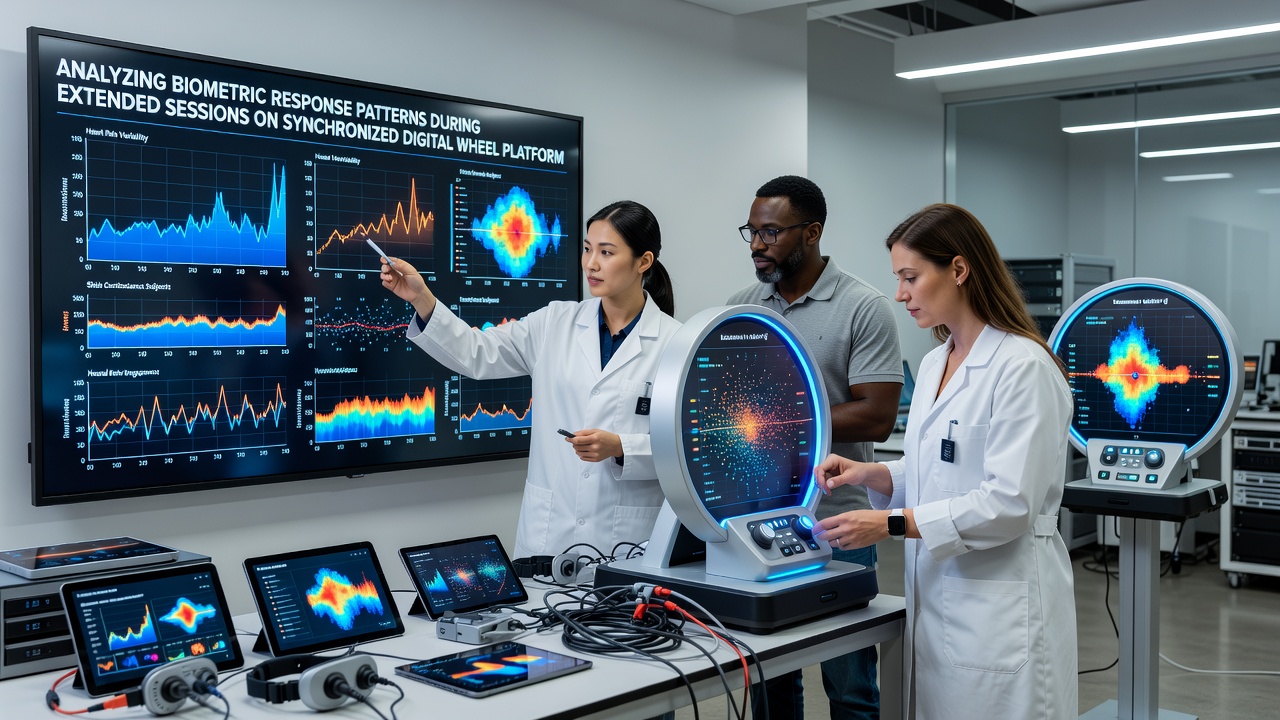
Multimodal sensor arrays combine wrist-based photoplethysmography with forehead EEG headbands and chair-mounted pressure sensors to capture a fuller picture of bodily reactions during extended wheel sessions, and the resulting time-series data undergoes frequency analysis to identify dominant oscillation bands that align with wheel rotation intervals. Teams processing these recordings observe that alpha wave suppression in EEG traces becomes more pronounced after four hours, whereas beta wave activity shows intermittent bursts tied to payout events.
Longitudinal tracking across repeated visits demonstrates that habituated users exhibit earlier onset of these stabilized patterns, and cross-referencing with platform logs indicates that repeat exposure to identical synchronization cues accelerates the transition from variable to steady-state biometric profiles. European regulatory bodies have begun requesting anonymized biometric summaries as part of broader compliance reviews for real-time gaming environments.
Regional Variations in Response Data
Comparative analyses between North American and Asia-Pacific cohorts reveal modest differences in skin conductance recovery times following high-volatility sequences, while the International Gaming Institute at UNLV has documented faster pupillary recovery among participants accustomed to higher-frequency spin cycles common on certain synchronized networks. These regional distinctions appear linked to average session lengths rather than cultural factors alone.
November 2026 field studies expanded sample sizes in both hemispheres, producing datasets that allow finer segmentation by age group and prior exposure levels, and preliminary cross-tabulations show consistent downward trends in heart rate variability regardless of location once sessions exceed five hours.
Conclusion
Biometric monitoring of extended sessions on synchronized digital wheel platforms continues to generate detailed physiological maps that link specific platform mechanics to measurable body responses, and ongoing refinements in sensor integration plus server timing protocols support increasingly precise pattern identification across global user bases. The accumulation of standardized data sets from multiple regulatory regions provides a growing foundation for understanding how these interactions unfold over time.