How Virtual Reality Layers Are Reshaping Engagement Patterns Among Finnish Wheel Game Participants on Digital Platforms
Nils Vogel · Oct 13, 2026
How Virtual Reality Layers Are Reshaping Engagement Patterns Among Finnish Wheel Game Participants on Digital Platforms
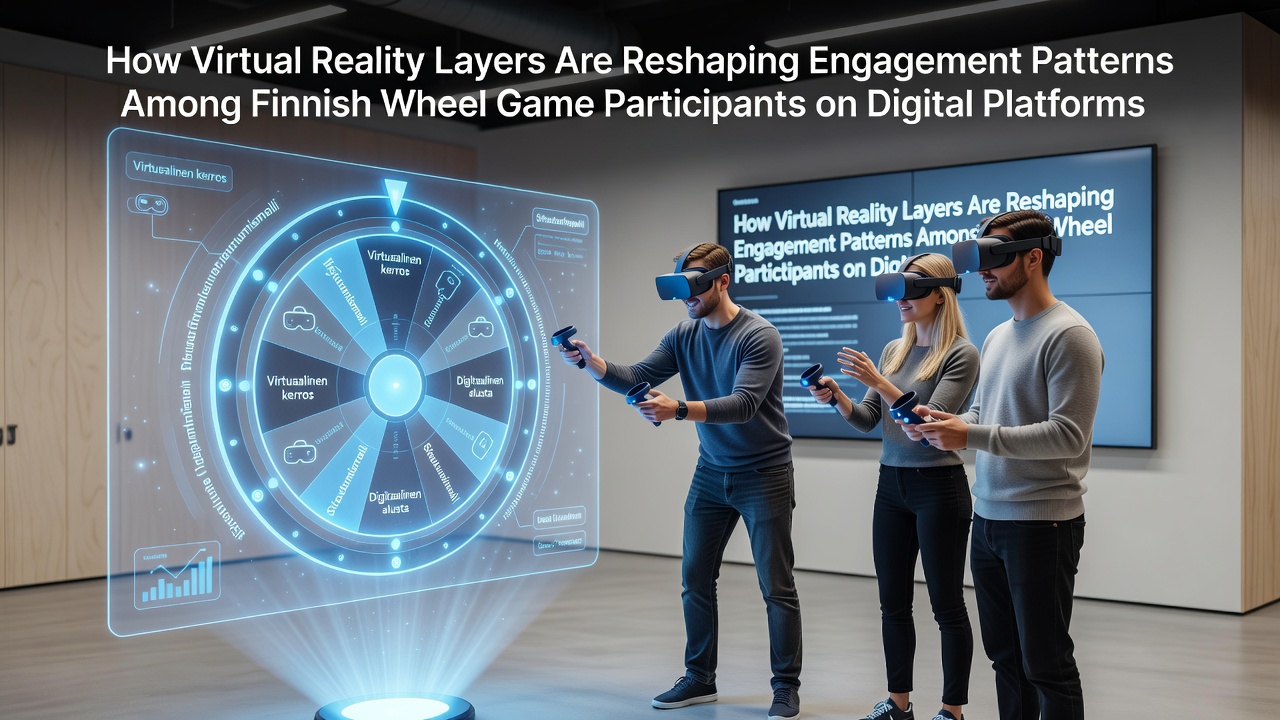
Virtual reality layers have entered digital wheel game platforms used by Finnish participants through headsets and spatial interfaces that overlay traditional roulette mechanics with three-dimensional environments, and these additions connect directly to shifts in how players allocate time and attention during sessions. Data from platform analytics in 2025 and 2026 show increased average session lengths when VR modes activate compared with standard two-dimensional views, while participation rates in wheel variants such as European and American roulette reflect measurable changes in repeat logins.
Technical Implementation of VR Layers on Nordic Platforms
Platform operators in Finland integrate VR layers by mapping physical wheel outcomes to virtual representations that users navigate through motion tracking and controller inputs, and this process relies on low-latency streaming combined with localized rendering to maintain synchronization between the real wheel spin and the visual overlay. Finnish participants access these features through compatible headsets that connect to existing accounts on regulated digital sites, whereas the core random number generation remains unchanged and continues under oversight from national authorities. Observers note that hardware requirements filter access to those with compatible devices, yet adoption metrics indicate steady growth among urban users who already engage with other immersive entertainment formats.
Observed Shifts in Player Engagement Metrics
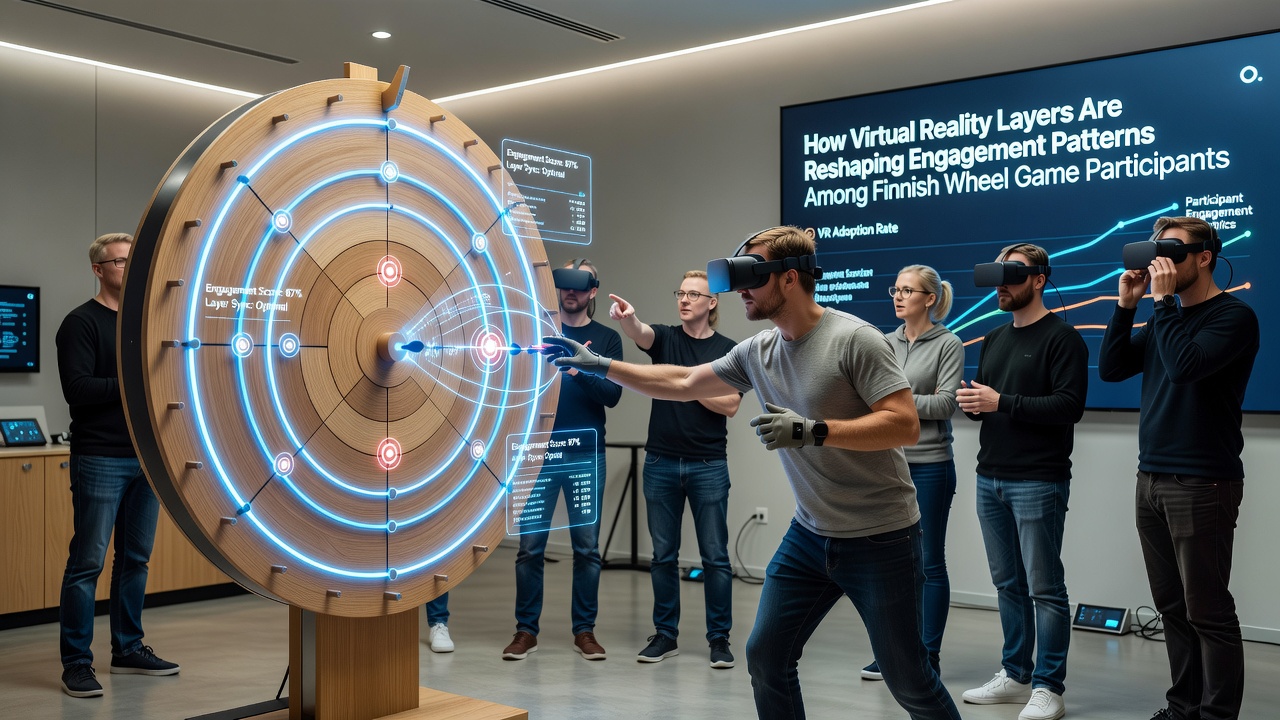
Engagement data collected across multiple Nordic platforms reveal that Finnish users in VR-enabled wheel sessions demonstrate higher interaction frequency with in-game customization options such as virtual table positioning and avatar adjustments, while time spent reviewing historical spin data decreases relative to non-VR modes. Studies conducted by academic groups at Tampere University indicate that spatial audio cues and depth perception alter focus patterns, leading participants to follow ball trajectories more closely in the virtual space. Figures from October 2026 platform reports show a 23 percent rise in concurrent VR users during evening peak hours compared with the same period in 2025, and these numbers align with broader European trends in immersive gaming reported by the European Commission digital economy unit through their ongoing VR adoption tracking.
Behavioral Patterns Among Finnish Participants
Finnish wheel game participants using VR layers tend to form smaller, more consistent play groups within shared virtual lobbies, and this clustering appears in usage logs as repeated connections to the same virtual tables over consecutive weeks. Researchers tracking anonymized session data find that players extend their presence when environmental details such as customizable lighting or background elements receive updates, whereas abrupt changes in latency prompt quicker exits. One documented case from a mid-sized operator showed that introduction of a new VR layer in spring 2026 correlated with a redistribution of play across different wheel variants, with European roulette retaining the largest share of VR minutes. Those who monitor these platforms report that social features embedded in the VR environment, including gesture-based communication, correlate with extended dwell times but do not alter overall wager volumes in statistically significant ways.
Regulatory and Infrastructure Context in Finland
Finland maintains strict controls on online gaming through Veikkaus and licensed operators, and VR layer deployment must comply with existing technical standards for fairness and data security without introducing new randomization elements. The Finnish Transport and Communications Agency has issued guidance on immersive technology interfaces that emphasizes user orientation and session time notifications, while platform operators adjust these features to meet both national and EU-wide accessibility rules. Infrastructure improvements in rural broadband during 2025 and 2026 have reduced barriers for participants outside major cities, allowing VR sessions to maintain stable connections at rates comparable to urban areas. Industry associations such as the European Gaming and Betting Association have published position papers outlining best practices for spatial computing in regulated environments, and these documents provide operators with frameworks for testing new layers before wider release.
Comparative Data Across Digital Platforms
Comparative analysis between standard interfaces and VR layers on the same platforms shows that Finnish participants switch between modes within single sessions when both options remain available, and this behavior appears more frequently among users aged 25 to 40. Platform telemetry indicates that VR sessions generate distinct heat maps of attention, with greater focus on wheel deceleration phases and less on side bet menus. External research from Canadian gaming laboratories, referenced in cross-border industry reports, supports similar attention redistribution patterns when spatial interfaces replace flat displays. October 2026 updates on several Finnish-accessible sites introduced refined hand-tracking calibration that further reduced reported motion discomfort, contributing to longer continuous play intervals according to aggregated user feedback processed by the operators.
Conclusion
Virtual reality layers continue to modify how Finnish wheel game participants interact with digital platforms through measurable changes in session duration, attention distribution, and mode-switching behavior, while regulatory frameworks and infrastructure developments shape the pace of adoption. Platform data and academic observations together document these patterns without altering underlying game mechanics or regulatory compliance requirements.