Player Engagement Trends Through Loyalty Tiers in Nordic Digital Wheel Gaming Portals
Nils Vogel · Sep 29, 2026
Player Engagement Trends Through Loyalty Tiers in Nordic Digital Wheel Gaming Portals
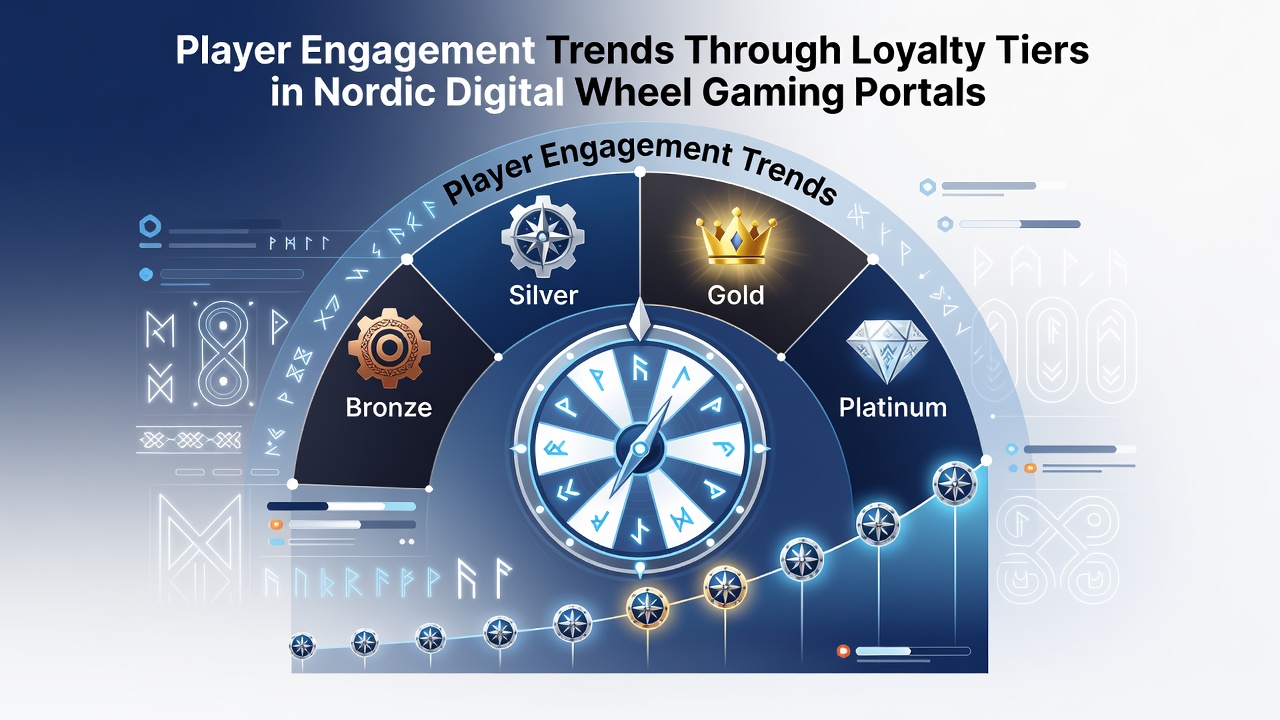
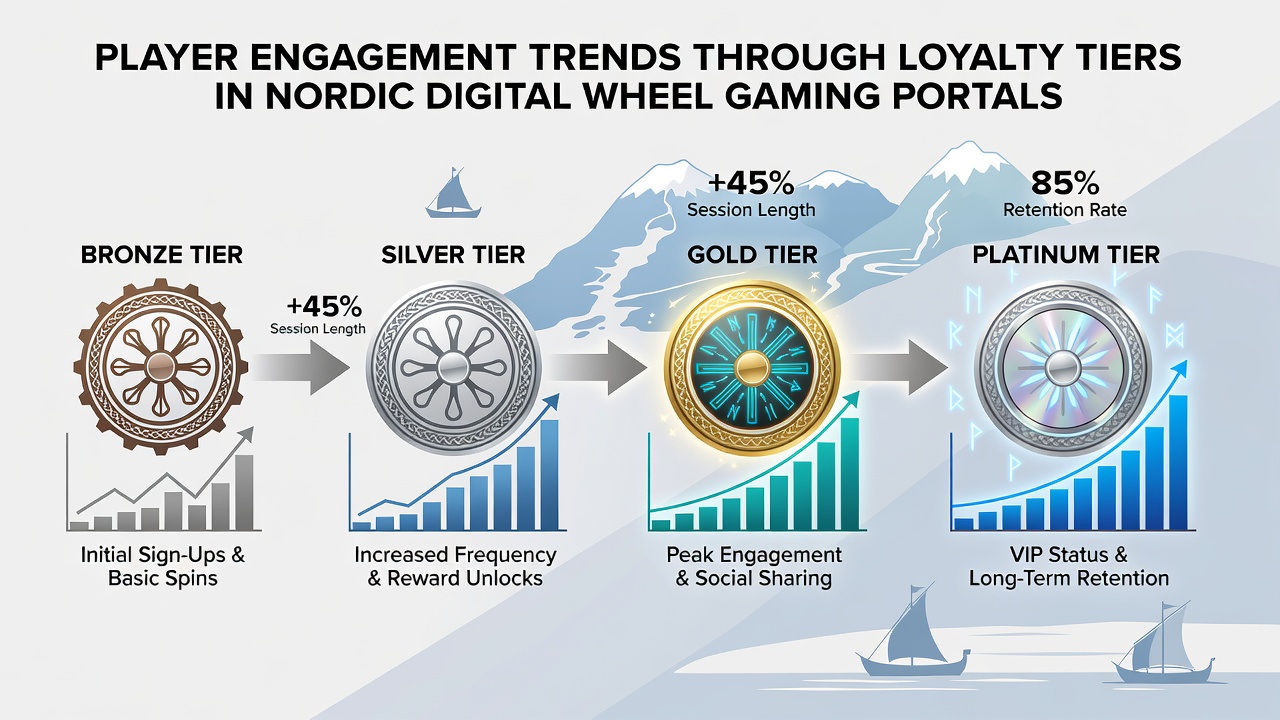
Data from multiple Nordic gaming operators shows that loyalty tier systems have become central to how digital wheel gaming portals structure player interactions, with tiers typically determined by cumulative wagering volume, frequency of sessions, and account tenure. These programs divide participants into progressive categories such as entry, intermediate, advanced, and elite levels, each unlocking distinct reward structures including deposit matches, cashback percentages, and access to exclusive wheel variants.
Operators in Sweden, Finland, Denmark, and Norway report that players advancing through tiers demonstrate measurable increases in session duration and repeat visits. According to industry reports compiled by the Swedish Gambling Authority, tier progression correlates with higher average bet sizes and extended play periods across regulated wheel gaming environments.
Mechanics of Tier Progression in Wheel Gaming Portals
Entry-level tiers require minimal activity thresholds, often starting at a few hundred euros in total wagers, while higher tiers demand sustained monthly volumes reaching several thousand euros. Points accumulate through real-money spins on roulette and similar wheel formats, with multipliers applied during promotional windows. Researchers tracking Nordic platforms note that automated tracking systems update tier status in real time, notifying users via app notifications and email summaries when thresholds near completion.
Rewards scale accordingly, with intermediate tiers providing weekly cashback rates between 5 and 10 percent, whereas elite levels introduce personalized account managers and invitations to private tournament wheels. Observers note that these layered incentives create clear pathways that encourage incremental increases in play frequency without requiring abrupt behavioral shifts.
Documented Engagement Patterns Across Tiers
Platform analytics from 2024 through mid-2026 indicate that players who reach intermediate tiers maintain accounts active for periods averaging 40 percent longer than entry-level participants. Retention metrics collected by operators show that advancement to advanced tiers reduces account dormancy rates, particularly during off-peak hours when wheel gaming traffic typically declines. Data sets from multiple jurisdictions reveal consistent patterns where tier-locked bonuses contribute to higher daily spin counts among mid-tier users.
September 2026 regulatory filings from several Nordic markets highlight continued growth in tier-based engagement tools, with updated compliance frameworks requiring transparent point calculations and clear expiration policies for unused rewards. These filings document that portals implementing dynamic tier resets at calendar year boundaries experience steadier player movement between levels compared to systems using rolling 12-month windows.
Cross-Border Variations in Tier Implementation
Swedish-regulated portals emphasize cashback and free spin allocations within tiers, whereas Finnish operators integrate tier benefits with state-monopoly structures that limit promotional scope. Danish platforms frequently tie tier advancement to responsible gaming metrics, granting additional play credits only after verified session limits are respected. Norwegian sites, operating under strict national controls, apply tier rewards primarily through loyalty points redeemable for non-cash items such as merchandise or event access.
Comparative studies conducted by academic groups in the region indicate that these regional differences produce distinct engagement curves, with Swedish users showing faster tier climbs and Danish users exhibiting more gradual but sustained progression. Figures released by the European Gaming and Betting Association reveal that cross-border players often maintain parallel accounts across jurisdictions to maximize tier benefits available in each market.
Measurement Tools and Data Tracking
Modern analytics suites employed by Nordic wheel gaming portals track tier-related engagement through metrics including time-to-next-tier, reward redemption frequency, and cross-tier migration rates. Machine learning models process these variables to predict future tier movement and adjust bonus offers accordingly. Reports from 2025 operator conferences document that portals sharing anonymized tier data with academic partners have refined their models to account for seasonal fluctuations common in Nordic markets.
Integration with mobile applications allows real-time visibility into point balances and upcoming tier benefits, which correlates with increased daily logins according to aggregated user behavior logs. Portals that introduced visual progress bars within wheel game interfaces recorded higher completion rates for tier advancement challenges during the first half of 2026.
Conclusion
Loyalty tier frameworks in Nordic digital wheel gaming portals continue to evolve alongside regulatory updates and technological improvements in tracking systems. Available data demonstrates clear associations between tier status and measurable engagement indicators such as session length, return frequency, and wagering volume across the examined markets. Ongoing filings and academic collaborations provide further insight into how these structures operate within the specific legal and cultural contexts of each Nordic jurisdiction.